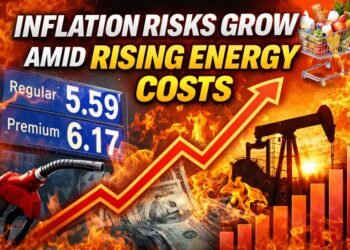








The rising fuel prices is becoming a major concern for the global economy. In the past few months, the prices of crude oil and natural gas have increased significantly due to geopolitical tensions, supply chain disruptions, and production cuts by major oil-producing countries. As fuel is a basic requirement for manufacturing, transportation, and electricity generation, any increase in the fuel prices will directly affect the cost of goods and services. This whole scenario results in, inflation fears which is rising across the world.
Why Fuel Prices Are Increasing?
The sudden rise in fuel prices across the whole world is due to several reasons. The major reason is supply disruption due to geopolitical conflicts and production cut. When the supply of oil decreases, but the demand remains the same or increases, price automatically increases as per the price elasticity of demand effect.
Another reason is the recovery of global economics after the slowdowns, due to which the demand of energy, transportation, and industrial production increases. Such rise in the demand is pushing the prices of fuel upward.
Main Reasons for Rising Fuel Prices
- Reduction in the production quantity of crude oil
- Rising global hostilities in oil-producing regions
- Rising demand of energy globally
- Supply chain disruptions
- Currency fluctuations in developing countries
How Rising Fuel Prices Cause Inflation
Fuel is a base cost in almost every industry. When the prices of fuel increases, transportation costs increases. When transportation costs increases, the cost of goods also increases. This leads to a condition, when the overall price rise in the economy generates inflation.
For example – Higher the prices of diesel will increase the cost of grains, vegetables, and fruits. This will lead to increase the higher food prices. Similarly, increase in the fuel cost will increase manufacturing cost, which makes consumer goods more expensive.
Areas Affected by Fuel Price Inflation
- Logistics and transportation
- Food and agriculture
- Manufacturing industries
- Electricity and energy production
- Construction and infrastructure
- Airline and travel industry
Impact on Common People
Increase in the price rise of fuels will affect businesses but also directly impact the common people. With the increase of transport fares, electricity bills, food prices, and expensive daily essentials, cost of living increases. People may have to reduce their spending, which can slow down economic growth.
Global Economic Impact
If fuel prices will continue to rise for a long duration, then inflation will increase worldwide. Central banks may increase interest rates to control inflation, which will lead to the slow economic growth. Stock markets may also become volatile due to economic uncertainty and inflation fears.
Ultimate Takeaway
The rising fuel prices is not an energy issue only, rather it is a major concern for the entire world. This continues increase in fuel prices will give rise to global inflation, affecting the cost of living and economic growth of the whole world. Governments and central banks around the world are closely visualizing and monitoring this scenario and may take necessary steps to control inflation and stabilize a balanced economy.